School Lockdown Systems in the UK: Improving Child Safety and Security in Schools, Colleges and Universities
A lockdown is a safety procedure used to protect pupils and staff by securing classrooms and limiting movement within a building during a potentially dangerous situation. Whether the risk comes from an intruder, an aggressive visitor, criminal activity nearby, or something unexpected such as a dangerous animal on school grounds, the aim is the same: to keep people safe until the situation is resolved.
For safeguarding leads, site security managers and school leadership teams, having an effective lockdown approach is an essential part of modern school security. By combining clear procedures, staff training and dependable communication technology, schools can improve their ability to respond quickly and protect those in their care.
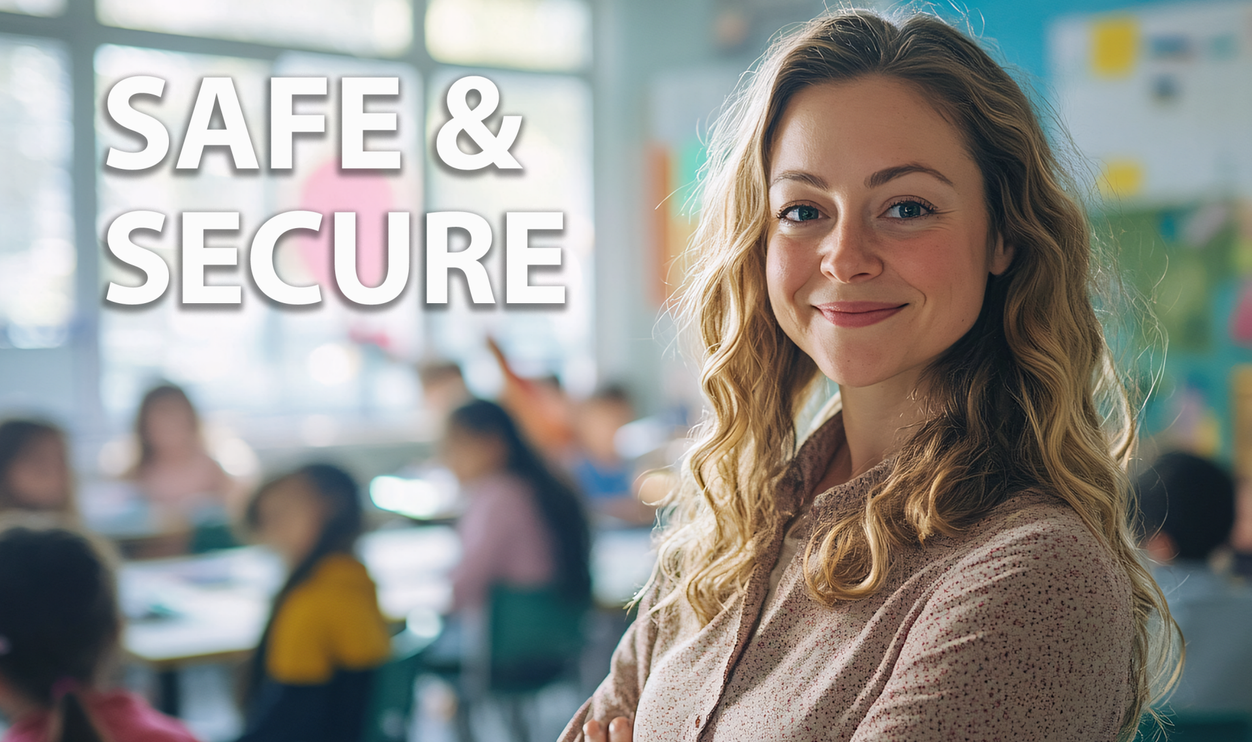
At LRS UK, we work with schools across the UK to support emergency communication systems.
What is a school lockdown?
A school lockdown is a controlled emergency response used when there is a potential threat on, or near, a school site. During a lockdown, pupils and staff remain in classrooms or designated safe areas while external doors, gates and access points are secured.
The purpose is to minimise movement, reduce exposure to risk, and allow site teams and emergency services to manage the situation safely.
A lockdown may be triggered by a range of scenarios, including an intruder on school grounds, an aggressive parent or visitor, suspicious activity close to the site, police activity nearby, a dangerous animal on the premises, or a serious security threat.
Because risks vary from school to school, it’s important that each setting has clear lockdown policies supported by reliable alert and communication systems. Many schools now use dedicated lockdown alert systems and emergency communication technology to ensure staff can respond quickly and consistently.
Why lockdown procedures are essential
Schools safeguard large numbers of people every day. Without clear procedures, responding quickly to a potential threat can be difficult, particularly across larger sites or multiple buildings.
A well-planned lockdown approach supports several key outcomes.
Protecting pupil safety
By keeping pupils in secure areas, schools can reduce exposure while staff assess the situation and take appropriate action.
Co-ordinating staff response
In an emergency, staff need to know immediately what to do. A structured plan helps ensure a consistent, joined-up response.
Reducing panic and confusion
Preparation helps staff stay calm and focused, supporting pupils to do the same.
Supporting emergency services
When police or other responders arrive, an established plan helps them take control more effectively.
Government guidance and protective security advice
Schools in the UK are encouraged to follow official guidance from the Department for Education when developing site security and safety procedures. Government guidance on school and college security provides practical advice on assessing risk, strengthening site access and perimeter security, and planning emergency responses such as lockdowns.
Schools also have safeguarding responsibilities under national guidance such as Keeping Children Safe in Education, which reinforces the importance of pupil wellbeing and maintaining safe learning environments.
In addition, education providers can access protective security advice through ProtectUK, a government-supported platform from Counter Terrorism Policing. It includes guidance and resources for schools and colleges, including programmes such as ACT for Education, which help staff recognise suspicious behaviour, identify vulnerabilities and respond appropriately during incidents. ProtectUK also promotes the Run, Hide, Tell principle for responding to serious security events.
While such incidents are rare, this guidance supports preparedness across a wide range of scenarios.
Common lockdown scenarios in schools
Lockdowns aren’t only used for extreme incidents. They may be appropriate for a variety of situations, including an unknown person entering the premises, an aggressive or distressed visitor, a dangerous animal on site, police activity nearby, or a major security threat.
Technology that supports lockdown safety
Modern communication systems play an increasingly important role in improving lockdown response. In many schools, staff are spread across large buildings or multiple areas of a site, so rapid, reliable communication is essential.
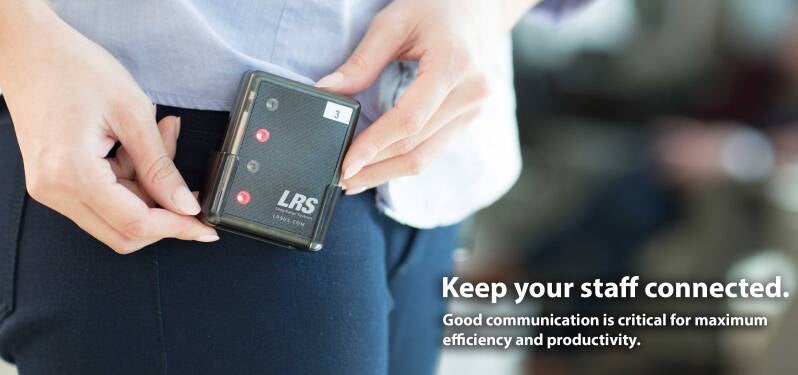
Lockdown systems may include emergency alert buttons, wireless staff receivers, mobile staff devices, central alert and notification systems, and classroom status indicators. These tools allow a lockdown alert to be triggered instantly, ensuring staff across the site are informed within seconds.
Specialist providers such as LRS UK offer systems designed for environments where rapid alerts are critical. Additional information on education-focused lockdown alert technology is also available via academylockdown.co.uk.
Best practice for implementing a lockdown strategy
An effective lockdown system relies on planning and co-ordination across leadership, safeguarding and site teams.
Schools should have a clear written policy that defines when and how a lockdown is activated. Staff responsibilities should be understood in advance, with simple actions that can be followed under pressure. Communication systems must be reliable and fast, so that alerts reach the right people immediately.
Regular drills help staff and pupils practise responding calmly and consistently, and procedures should be reviewed routinely to ensure they remain effective and reflect changing risks.
Conclusion
Lockdown procedures are a vital part of modern safeguarding and security in schools, colleges and universities. With large numbers of pupils, staff and visitors on site every day, education providers need to be ready to respond quickly to potential threats.
By combining clear policies, staff training, reliable communication technology and official guidance from the UK Government and ProtectUK, schools can strengthen emergency preparedness and improve co-ordination during incidents.
Solutions from providers such as LRS UK, alongside specialist resources like academylockdown.co.uk, can support rapid alerts and a structured lockdown response. Ultimately, the purpose of any lockdown strategy is simple: to keep pupils, staff and visitors safe, and to support secure learning environments.
Visit the Long Range Systems UK Ltd website for more information on School Lockdown Systems in the UK: Improving Child Safety and Security in Schools, Colleges and Universities
ENQUIRY FORM