Why Paging Systems Are the Best Choice for On-Site Communication
In fast-paced workplaces where efficiency and responsiveness are essential, reliable communication systems are crucial to keeping operations running smoothly. From restaurants and hotels to hospitals and large distribution centres, staff need to receive alerts and respond quickly without unnecessary delays. While smartphones, messaging apps and internal platforms are widely used, they often depend on Wi-Fi, mobile signal or complex software, all of which can introduce interruptions that affect on-site communication.
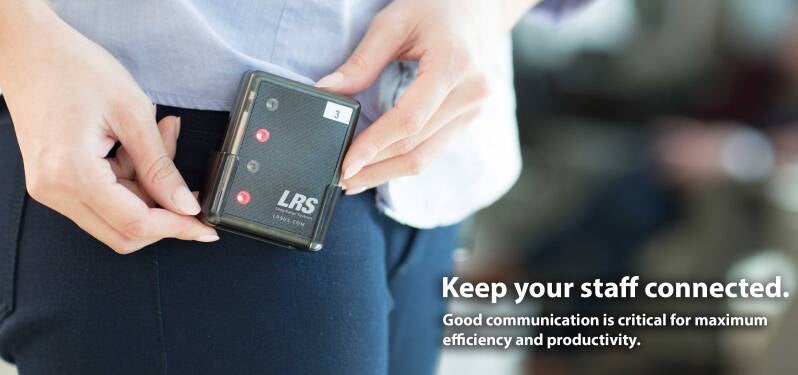
Paging systems, by contrast, remain one of the most dependable tools for on-site alerts. Designed specifically for rapid notifications, they allow staff to be contacted instantly wherever they are within a facility. Most systems use radio frequency (RF) technology to send signals to handheld or wearable devices that vibrate, beep or flash when a message is received.
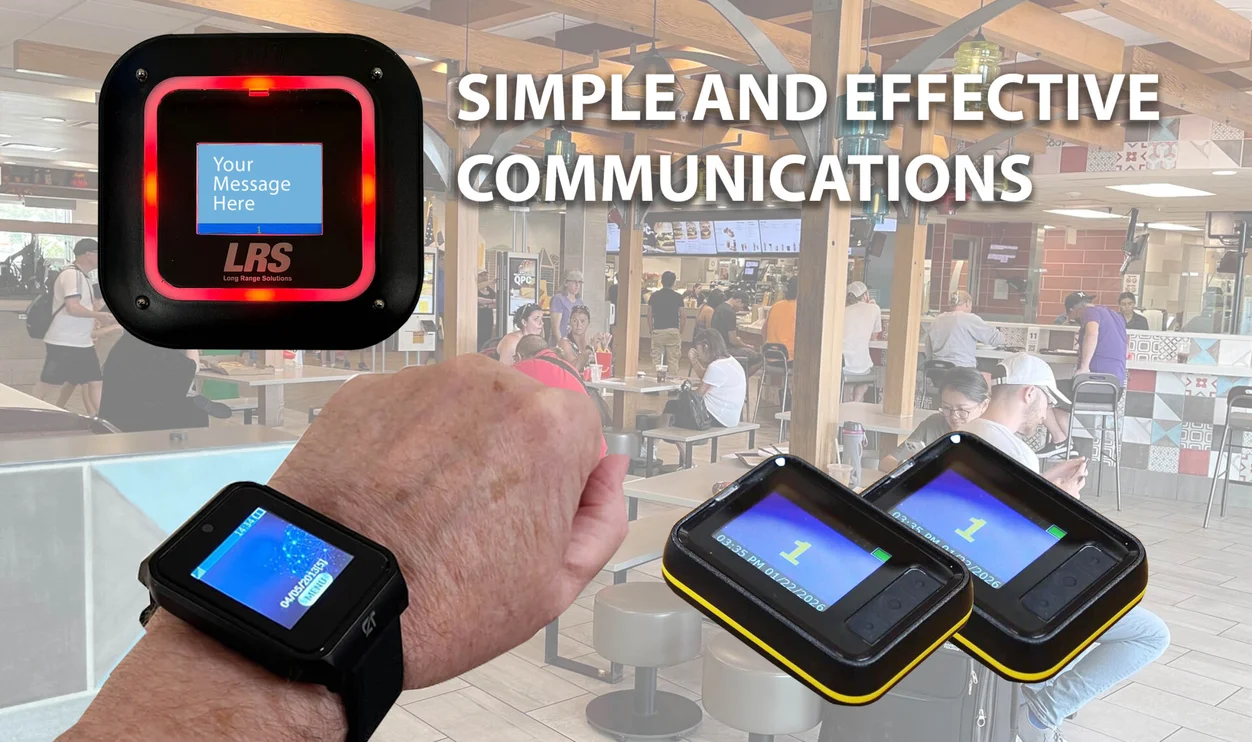
Because they’re built for immediate alerts rather than general messaging, paging systems are widely valued in environments where timing and co-ordination matter. Sectors such as hospitality, healthcare and warehousing continue to rely on paging technology because it provides fast, reliable, distraction-free communication — particularly when using higher quality solutions such as those from LRS.
Below are ten reasons paging systems remain a strong choice for on-site communication across multiple industries.
Instant communication
A key advantage of paging systems is speed. When a pager is triggered, the signal is transmitted immediately and received within seconds. This responsiveness is vital in environments where delays can disrupt workflow or customer service.
In a restaurant kitchen, a pager can alert waiting staff the moment an order is ready. In a hospital, a nurse can be notified instantly when assistance is required. In a warehouse, supervisors can quickly flag incoming deliveries or urgent tasks, helping teams respond efficiently.
Reliable signal coverage
Paging systems are designed to deliver strong coverage across large buildings and complex sites. Unlike some wireless systems that struggle with thick walls or multiple floors, paging signals can reach kitchens, basements, storage areas and large warehouses reliably.
It’s worth noting that not all solutions are equal. Lower-cost systems may have limited transmission power, whereas higher-output devices provide stronger, more dependable coverage. As with many technologies, you generally get what you pay for.
Independence from Wi-Fi and mobile networks
Many modern communication tools rely on Wi-Fi or mobile data. When networks are overloaded, suffer outages or experience interference, communication can break down quickly.
Paging systems operate independently of these networks, so they continue to work even when internet access is unreliable. This can be particularly valuable in busy venues where many devices compete for bandwidth, or where connectivity is inconsistent.
Simple and easy to use
Paging devices are intentionally straightforward. In most cases, sending an alert requires a single action, and the receiving device notifies the user through vibration, sound or a flashing light.
Because there’s no need to unlock a phone, open an app or read lengthy messages, staff can use paging systems with minimal training. That simplicity is especially helpful in high-pressure environments where attention needs to stay on the task at hand.
A better customer experience
In customer-facing settings such as restaurants and hospitality venues, paging can improve the guest experience. Customer paging systems allow guests to wait comfortably and be notified when their table is ready, reducing crowding around entrances and reception points.
Staff paging also helps service run smoothly by improving communication between teams. Better co-ordination behind the scenes often translates into faster service and higher customer satisfaction.
Increased staff productivity
Without a paging system, employees can waste time searching for colleagues, walking across large sites, or repeating announcements.
Paging systems reduce that inefficiency by reaching the right person quickly. A supervisor can contact a specific team member within seconds, helping speed up task allocation and cut unnecessary movement — a real benefit in larger environments such as hospitals and distribution centres.
Built for demanding work environments
Unlike smartphones, which are primarily designed for personal use, paging devices are built for professional settings. Many are designed to withstand the conditions found in kitchens, warehouses and healthcare environments.
They’re often resistant to drops and spills, with durable casings designed for everyday wear and tear. Some models are waterproof, helping ensure long-term reliability in tougher working conditions.
Scalable for growing organisations
Paging systems can be scaled to suit organisations of different sizes. A small restaurant might use a basic set-up with a handful of devices, while a large hospital or logistics hub may operate hundreds of pagers across multiple departments.
As requirements grow, additional pagers and transmitters can typically be added without replacing the entire system, making it a flexible option for expanding operations.
Cost-effective communication
Compared with more complex communications platforms, paging systems are generally affordable to install and run. There’s no need to provide smartphones to every employee or invest heavily in software, licences and supporting network infrastructure.
Pagers also tend to offer long battery life and require minimal upkeep. Their durability means many systems stay in service for years, keeping ongoing costs low.
Fewer distractions for staff
Smartphones and messaging apps can introduce unnecessary distractions at work, with notifications from email, social media or personal messages interrupting focus.
Paging systems avoid this by doing one job: delivering important alerts. Staff are only notified when action is needed, which helps maintain concentration — especially in healthcare settings, busy kitchens and logistics environments where attention is critical.
A proven solution across multiple industries
Paging systems have a long track record across a range of sectors. Restaurants use them to manage customer flow and improve service speed. Hotels use them to co-ordinate housekeeping and maintenance teams. Hospitals rely on them to support rapid responses to patient needs.
In warehousing and logistics, paging helps co-ordinate teams spread across large facilities, supporting communication around deliveries, stock movement and urgent tasks.
Because paging technology is reliable, easy to use and highly effective, it continues to be trusted by organisations worldwide.
Conclusion
Despite the growth of modern communication tools, paging systems remain one of the most effective solutions for on-site alerts. Their reliability, simplicity and near-instant notification capability make them particularly valuable where timing, co-ordination and efficiency are essential.
From improving customer service in hospitality to supporting rapid response in healthcare and streamlining operations in logistics, paging systems deliver consistent results. By providing dependable communication without relying on Wi-Fi or mobile networks, they offer a practical and cost-effective way to keep teams connected and ensure important messages aren’t missed.
Visit the Long Range Systems UK Ltd website for more information on Why Paging Systems Are the Best Choice for On-Site Communication
ENQUIRY FORM