How Can The Right Shelving Keep Your Stockroom Safe?
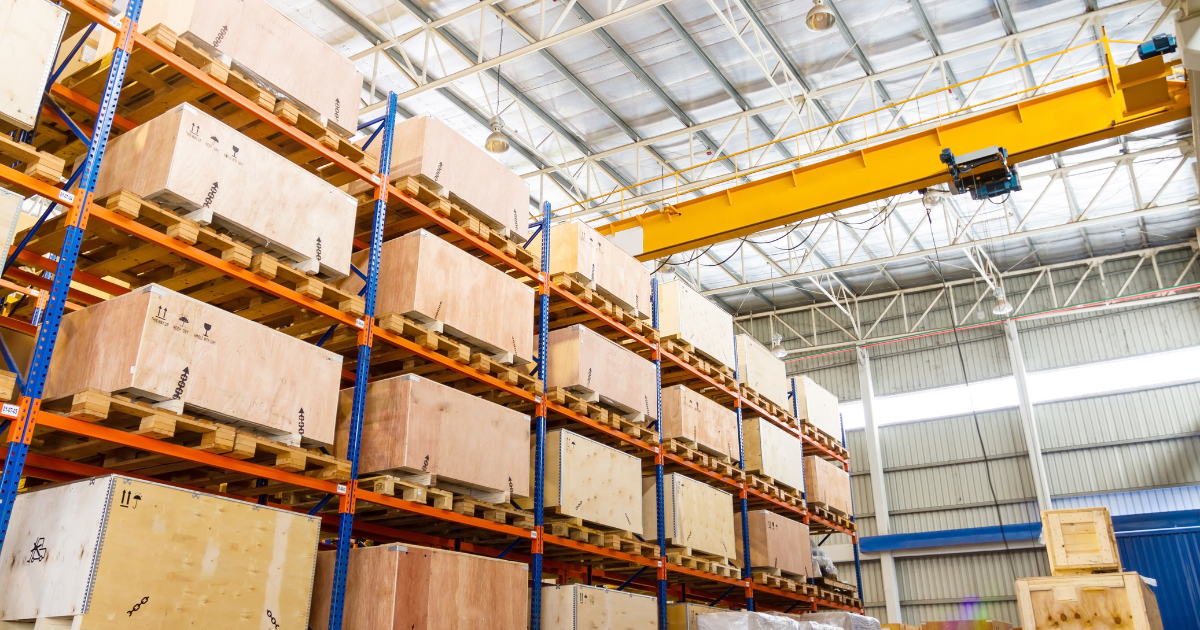
The fast paced world of logistics and the supply chain relies on using the right heavy duty stockroom shelving in the right way in order to avoid potential safety risks and hazards.
Ever since the rise of the narrow aisle forklift truck in the 1960s by companies such as Lansing Bagnall, warehouses have become exceptionally efficient but require careful planning and training to minimise potential risks.
This has been magnified by just-in-time logistics, which has increased the speed of operations and thus the need for perfect organisation.
Here is how the right choices of shelving and racking help to keep warehouse workers safe.
Choosing Shelves To Match Inventory Categories
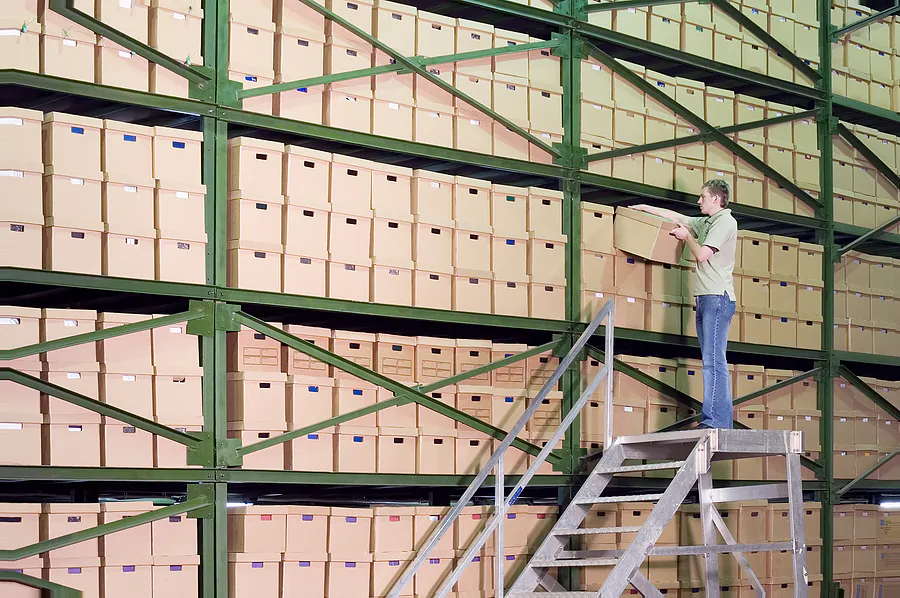
Whilst organising items by category is important for efficiency reasons, they also have the benefit of ensuring that the shelving solutions chosen are capable of controlling, spreading and handling the potential weight being placed on them.
This reduces the risk of overstacking and the potential for collapse that can emerge as a consequence. It also makes items easier to find, which allows for more predictable forklift operations.
Clearly Displaying Weight Limits
The more clearly signposted safety protocols are, the more likely they are to be seen and followed. Weight limits are a bare minimum requirement in this regard.
Because of this, every shelving or pallet rack should have a consistent signage scheme to show the overall weight limits of a shelving unit, which alongside clear weight designations on inventory allow warehouse operatives to avoid overloading a shelf and causing potential damage.
Colour-Coded Warehouse Sections
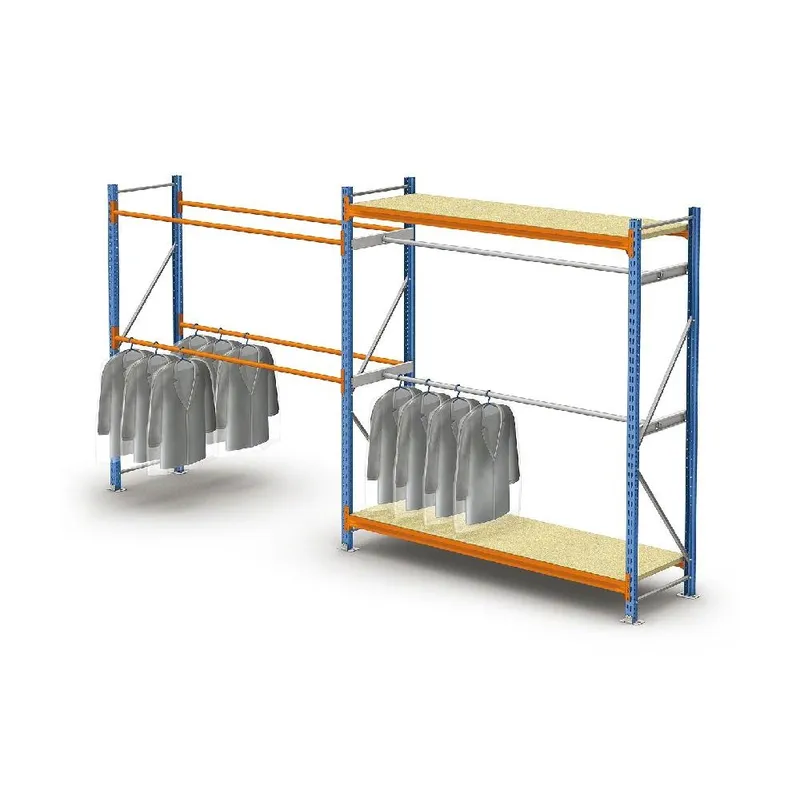
Different shelving systems can be bought in different colours or with colour-coded sections to emphasise that they are designed for different types of inventory.
The easier it is to navigate a warehouse, the less potential there is for safety and security hazards, and colour coding allows forklift operators to see at a glance where the products they need to pick, load or unload are likely to be.
Avoid Dangerous Overhangs
Whilst not every type of product can be stored on convenient standardised pallets, choosing the right types of shelving allows a warehouse to avoid the potential dangers that come from unsuitable and unsafe storage and racking decisions.
Using wrapping or netting can also help in these cases where storing long or oversized items is unavoidable.
Enables Even Weight Distribution
The right type of shelving encourages sensible storage habits such as storing inventory in a way that evenly spreads the load across the shelf to avoid generating fatigue points.
Having the right system in place using the right equipment is highly effective at encouraging all warehouse users to maintain high standards of safety and organisation.
Install Racking Designed Around Loading And Unloading Protocols
Inventory categories have different loading and unloading protocols depending on the items in question, and the shelving and racking designs should be built around how they are going to move from one storage area to the next.
For example, handling perishable items such as food typically requires a first in, first out (FIFO) inventory management method to ensure that the items likely to expire first are also processed and sold first.
By contrast, other long-term storage can utilise alternatives such as last in, first out, as the potential for unsellable stock is less critical.
Visit the UK Shelving Ltd website for more information on How Can The Right Shelving Keep Your Stockroom Safe?
ENQUIRY FORM