Why Did The First Warehouses Have Prototype Racking Systems?
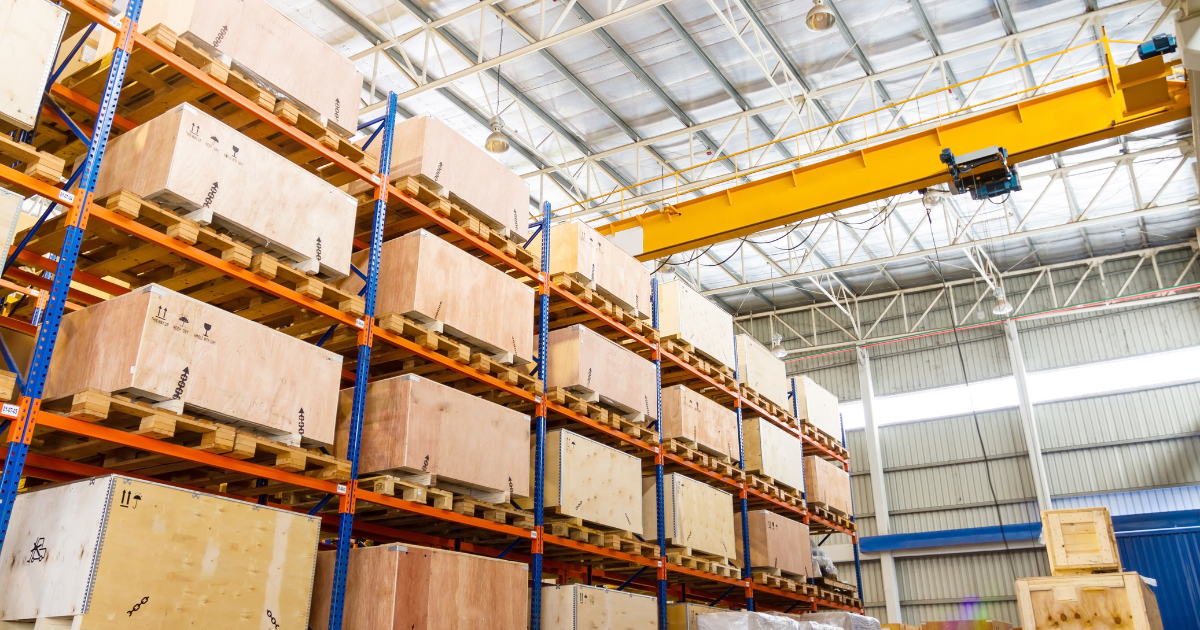
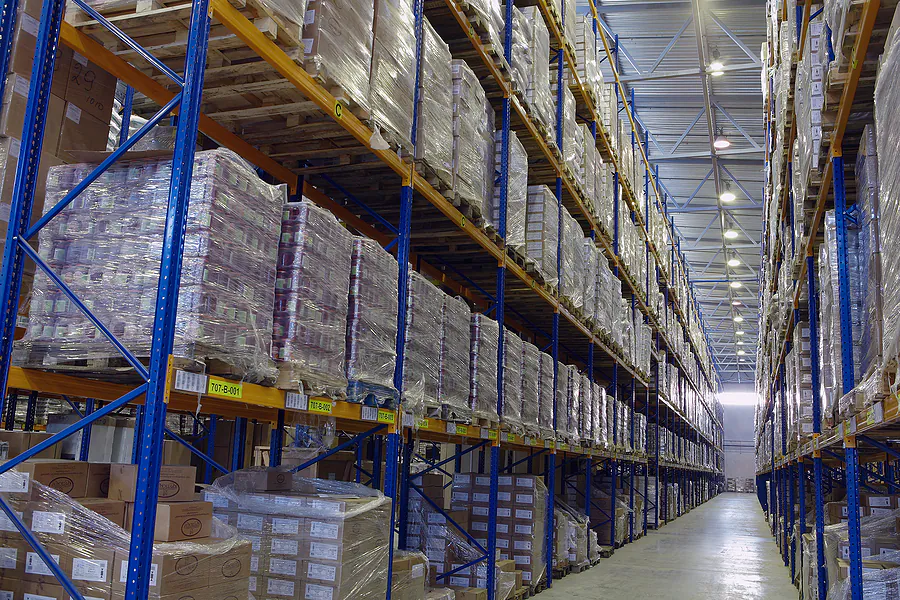
The modern warehouse system, consisting of commercial shelves, pallet racking, and highly efficient use of space in logistics centres, did not completely coalesce until the 1950s, but the core elements started to take shape long before this.
The forklift originated with the Tructractor in 1917, although it can be traced to several manual hoist systems that were invented far earlier.
Meanwhile, the pallet, which became the standard storage unit for logistics, had its modern origins in 1921 but has been traced back to the Pyramids of Giza, at least based on some concepts and depictions of its manner of construction.
As for shelving, the largest and most critical piece of the puzzle, whilst the modern design of pallet racking largely came about after the Second World War, they actually might have their origins in Ancient Rome, and some of the first warehouses ever made.
The Logistics Of The Horrea
The horreum was a public warehouse initially used by the Roman Empire in the second century BC, originally primarily used to store grain. Indeed, the Latin word was initially used to refer to any granary before being more specifically connected to these prototypical warehouses.
The Roman Empire, especially at its peak, had a logistics system thousands of years ahead of its time, as well as a remarkable level of preservation and documentation of many of these systems.
The horrea found in Rome were believed to have been an initiative led by the tribune Gaius Gracchus, a social and legal reformer who managed to bring in a wide number of significant laws before being killed as a result of his political enemies declaring martial law.
They were gigantic, even by modern standards, and rested on multiple floors with ramps leading to the upper floors in larger cities and ports such as Rome and Ostia.
The remarkably modern innovations do not end there; they were deliberately built thicker than normal buildings with narrow, high windows and elaborate locks that all reflect certain design paradigms seen even in modern warehouses.
However, one of the most interesting aspects of the early warehouse system is that the grain rested on raised platforms, primarily to stop the potential risk of mould and damp spoiling what was a vital supply of food for the local area.
Some horrea that have been unearthed even had tabernae shopping areas, which suggests the presence of an early form of the warehouse club store concept that has since become extremely popular with big box retail stores starting to open in the mid-20th century.
What was far less advanced, of course, was the logistics for loading items into horrea, which involved huge numbers of labourers painstakingly carrying huge bulk goods up and down the ramps.
Whilst the biggest horrea were found in Rome and other huge cities across the Empire, almost every town and fort had a horrea, such was the demand for food in a growing empire, particularly after the enactment of the Cura Annona, a subsidised supply of grain and bread to the citizens of Rome that became vital to the state as a whole.
Visit the UK Shelving Ltd website for more information on Why Did The First Warehouses Have Prototype Racking Systems?
ENQUIRY FORM