Why Are There So Many Different Pallet Storage Standards?
The modern business world and the fast-moving supply chains that keep it functioning were built thanks to three inventions, each of which provided a more uniform way to manage the transport of goods.
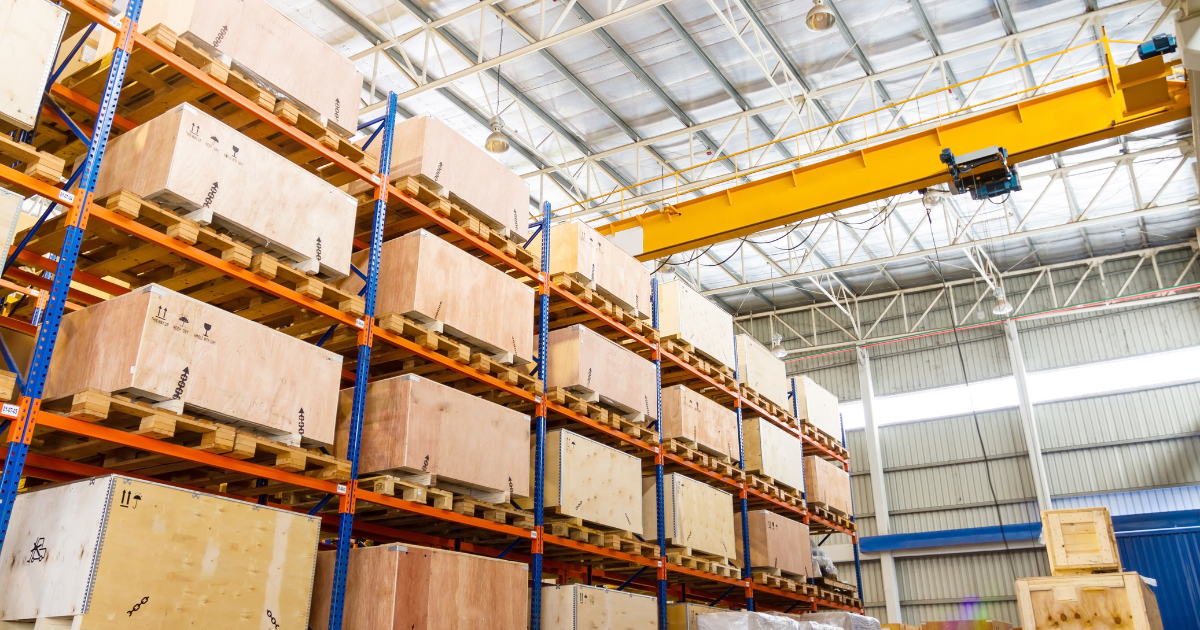
At its core, just-in-time supply management with constantly moving warehouse pallet storage racks is made possible thanks to the shipping container, the forklift truck and the pallet, which enabled standardised shipping units to be moved around the world in a relatively uniform manner.
Without the pallet, in particular, the supply chain relies on bulk break cargo movement, which can for many types of product be relatively slow and unreliable.
However, whilst most warehouse forklifts are designed in a similar way to meet the needs of narrow rack storage, and shipping containers are the same width, often the same height and designed to have the same tolerances, pallets are far more variable.
There are no fewer than six pallet designs and dimensions described in ISO 6780:2003, the International Office for Standardisation’s official set of recognised standards. This does not even include the many different regional variations of pallet sizes.
The reason why this is the case is that the pallet has been a vital part of goods transportation since before the era of containerisation, and the rest of the business world shaped itself around particular pallet sizes.
Form Follows Function
In order for pallets to be useful for business and save time, energy and workloads, they need to be designed with multiple purposes in mind.
They need to be accessible to pallet jacks and forklifts so they can be easily moved around warehouses (which also makes them work in compatible automated warehouses).
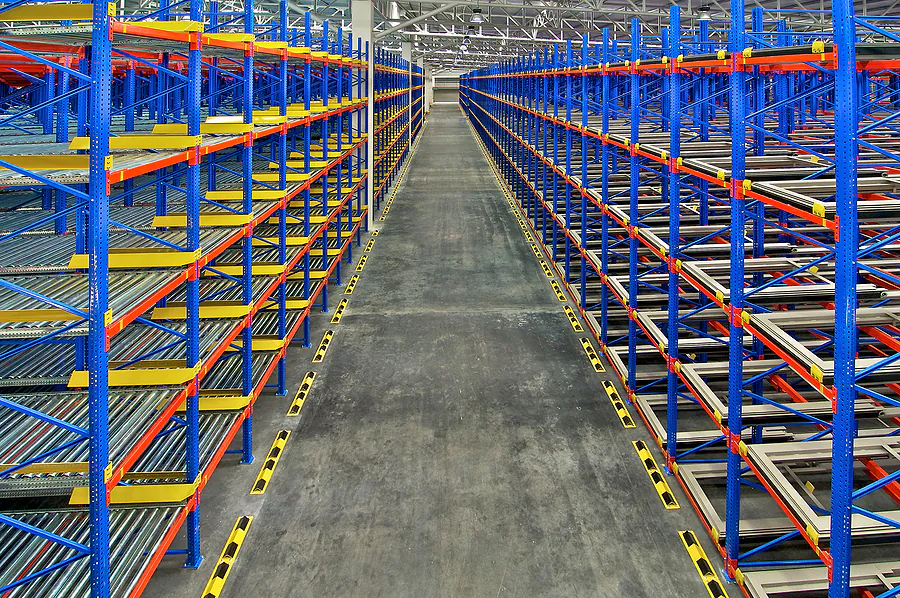
They also need to stack and fit in racking units in a way which allows for maximum accessibility whilst minimising waste in shipping containers. Finally, they also need to easily fit through buildings with standard-sized doors.
The problem is that there is a lot of variance in these standards within different regional areas and industries, and so most pallet standards tend to find compromises for these different purposes.
For example, the North American Grocery Manufacturers Association standard (GMA), is designed with shipping containers in mind, and 20 pallets can fit in a 40ft ISO container with just 3.7 per cent of wasted floor space.
That is a remarkable level of efficiency when it comes to the supply chain, but it does require warehouses to be built around its particular standards and slows down shipping and warehouse management in systems not built around it.
The Eur-pallet, for example, is designed to fit through standard doorways, with warehouses, forklifts, lorries and warehouses optimised for the standard. This makes it a lot faster to load and over the course of an entire supply chain, this can lead to quantifiable benefits.
Finally, the Australian standard, only typically used in Oceania, was designed for the slightly larger dimensions of the RACE container and predates the ISO standard containers. It also is completely square which means there is less filler material required to fill the pallet.
Visit the UK Shelving Ltd website for more information on Why Are There So Many Different Pallet Storage Standards?
ENQUIRY FORM